
Why Is Easter So Important for Christians?
Easter matters because the whole faith rests on the resurrection: Paul says without it faith is vain and we are still in our sins (1 Corinthians 15:17).
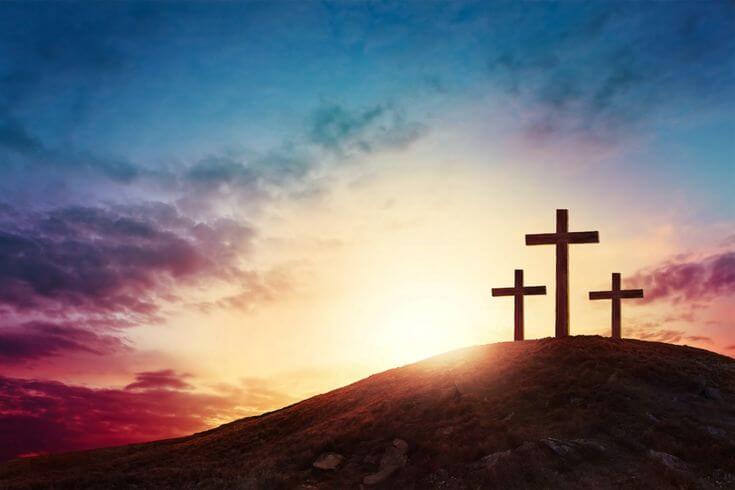
Without the resurrection there is no Christianity
Easter is the most important day for Christians because it marks the resurrection of Jesus, the event the whole faith stands on. Paul did not treat it as one teaching among many. He said that if Jesus stayed dead, the preaching is empty and believers are still guilty before God.
“And if Christ be not risen, then is our preaching vain, and your faith is also vain.” (1 Corinthians 15:14, KJV)
“And if Christ be not raised, your faith is vain; ye are yet in your sins.” (1 Corinthians 15:17, KJV)
Few faiths stake everything on one public event that could be checked. That is why Catholic, Orthodox and Protestant churches, who differ on much else, all keep Easter as their greatest feast; the Orthodox call it the Feast of Feasts.
What the first Christians claimed
Paul passes on a summary he says he “received.” Many scholars, believing and skeptical alike, date it to within a few years of the cross. It names witnesses who were still alive to be asked.
“For I delivered unto you first of all that which I also received, how that Christ died for our sins according to the scriptures; And that he was buried, and that he rose again the third day according to the scriptures: And that he was seen of Cephas, then of the twelve: After that, he was seen of above five hundred brethren at once; of whom the greater part remain unto this present, but some are fallen asleep.” (1 Corinthians 15:3-6, KJV)
The Greek word for resurrection, anastasis, means a standing up again. It is not a spirit living on or a memory kept alive. The risen Jesus said so himself: “handle me, and see; for a spirit hath not flesh and bones” (Luke 24:39).
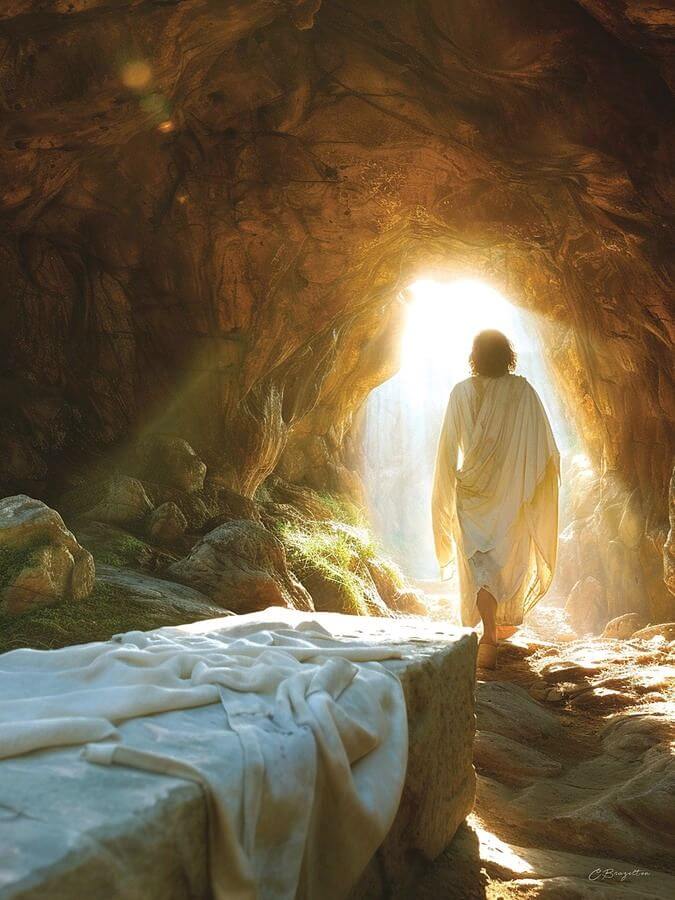
Romans 6:9 — death hath no more dominion
Victory over sin and death
The cross deals with sin; the empty tomb shows the payment was accepted. Paul joins the two in one sentence.
“Who was delivered for our offences, and was raised again for our justification.” (Romans 4:25, KJV)
Jesus did not return to an ordinary life only to die again, as Lazarus did. He rose beyond death’s reach, and that is the comfort Christians hold at every graveside.
“Knowing that Christ being raised from the dead dieth no more; death hath no more dominion over him.” (Romans 6:9, KJV)
The firstfruits of a harvest
Paul calls the risen Christ “the firstfruits of them that slept” (1 Corinthians 15:20). The picture comes from the Law: at Passover time the priest waved the first sheaf of the harvest before God as a pledge that the rest would follow.
“And he shall wave the sheaf before the LORD, to be accepted for you: on the morrow after the sabbath the priest shall wave it.” (Leviticus 23:11, KJV)
Jesus rose on the morrow after the sabbath. His resurrection is the first sheaf, and the resurrection of everyone who belongs to him is the harvest still to come.
New life now, together
Easter is not only about the last day. The same power that raised Jesus makes a person new today.
“Therefore if any man be in Christ, he is a new creature: old things are passed away; behold, all things are become new.” (2 Corinthians 5:17, KJV)
That is why the church gathers on Sunday, the day of the resurrection (Acts 20:7). Christians have always kept Easter together, in the spirit of the psalm: “I was glad when they said unto me, Let us go into the house of the LORD” (Psalm 122:1). This Easter, read 1 Corinthians 15 aloud before church, and listen for the word “if.”
Frequently asked questions
What does Easter celebrate?
The bodily resurrection of Jesus Christ on the third day after his crucifixion, which the New Testament says secures our justification (Romans 4:25).
Is Easter more important than Christmas?
Most churches say yes. Christmas marks his birth, but Paul says faith is vain without the resurrection, and Easter was kept long before Christmas became a feast.
What did Jesus’ resurrection accomplish?
It showed his sacrifice was accepted, broke death’s hold, and became the pattern for believers’ own rising: Christ is the “firstfruits” (1 Corinthians 15:20).
Did Jesus rise physically or only spiritually?
Physically. He showed his hands and feet, invited the disciples to touch him, and ate broiled fish in front of them (Luke 24:39-43).
How many people saw Jesus after he rose?
Paul lists Peter, the twelve, over five hundred at once, James and all the apostles (1 Corinthians 15:5-7), besides the women at the tomb.
Why do Christians worship on Sunday?
Jesus rose on the first day of the week, and the early church met then to break bread (Acts 20:7). John calls it “the Lord’s day” (Revelation 1:10).
Related KJV studies
Easter Traditions Around the World: Diverse Ways of Celebrating Easter
DOES EASTER BUNNY REALLY EXIST? UNVEILING THE MYTH OF THE ICONIC EASTER CREATURE
Easter Symbols: Eggs, Bunnies, and Their Deep Meaning
The Origins of Easter: A Blend of Pagan and Christian Traditions
10 Unique Easter Food Traditions Celebrated Around the World
The History of Easter: From Passover to Christian Celebration
Follow
JesusTruePath
Plain answers to Bible questions, from the King James Bible.
© 2026 JesusTruePath. Scripture quotations are from the King James Version.