
Romans 8:38-39 Meaning: Nothing Can Separate Us
Romans 8:38-39 says nothing in all creation can separate a believer from God’s love in Christ. What each item on Paul’s list means, and how to live it.
BIBLE INSIGHTSBIBLE VERSES

Paul’s answer: nothing at all
Romans 8:38-39 says that nothing in all creation can cut a believer off from God’s love in Christ: not death, not life, not spiritual powers, not anything in time or space. Paul names every force a person might fear and rules each one out.
“For I am persuaded, that neither death, nor life, nor angels, nor principalities, nor powers, nor things present, nor things to come, Nor height, nor depth, nor any other creature, shall be able to separate us from the love of God, which is in Christ Jesus our Lord.” (Romans 8:38-39, KJV)
“I am persuaded” translates the Greek pepeismai, a perfect tense: I have been convinced and I stay convinced. This is not a mood. It is the settled conclusion of the whole chapter, which runs from “no condemnation” in verse 1 to this final line.
Every item on the list
Paul arranges the list mostly in pairs. Death and life cover every condition a person can be in. Angels and principalities (Greek archai, “rulers”) name spiritual powers, good or evil (compare Ephesians 6:12). Things present and things to come cover all of time. Height and depth cover all of space; some scholars note the words were also used of the stars’ positions, which many ancient people feared ruled their fate.
Then Paul closes every gap with “any other creature,” meaning any created thing at all. The only one left off the list is the Creator, and he is the one who loves us.

Romans 8:35 — who shall separate us?
Written to people who were suffering
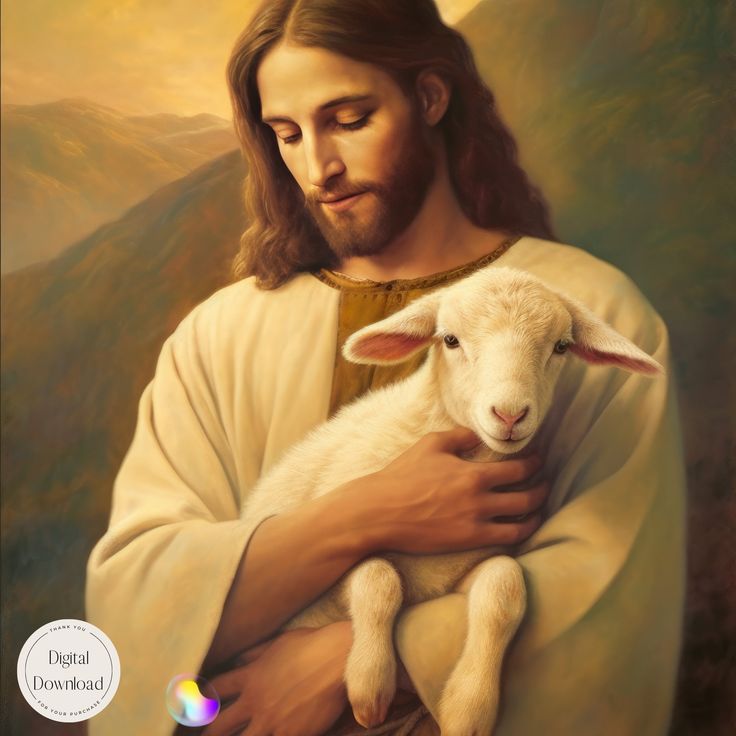
Just before this promise, Paul asks who could separate us from Christ’s love, and he names real hardship, not imaginary ones.
“Who shall separate us from the love of Christ? shall tribulation, or distress, or persecution, or famine, or nakedness, or peril, or sword?” (Romans 8:35, KJV)
Then he quotes Psalm 44:22, a lament sung by faithful Israelites who were suffering and could not see why.
“As it is written, For thy sake we are killed all the day long; we are accounted as sheep for the slaughter.” (Romans 8:36, KJV)
Paul’s point is that suffering is not proof that God has stopped loving you. A health crisis, a lost job or a broken relationship can feel like distance from God, but none of them can reach his love. In all these things, not around them, “we are more than conquerors through him that loved us” (Romans 8:37).
Living from this love
Because the love is secure, the right response is trust, not anxiety. Remember his presence when you feel overwhelmed. Trust his promises when things look bleak, since faith is “the evidence of things not seen” (Hebrews 11:1). Share his love with someone who feels forgotten. Nurture the relationship through prayer and his Word. Obey him, because Jesus said obedience is how love shows (John 14:15). And practise gratitude by naming one of his gifts each day.
Jude 1:21 — keep yourselves in God’s love
Secure, and still pursued
Christians read this promise in two main ways. Reformed and many Baptist believers see it as proof that God keeps his own to the end (John 10:28). Methodists, Catholics and Orthodox hold that a believer can still turn away by his own choice, and they note that Paul’s list names outside forces. Both sides read Jude’s charge the same way.
“Keep yourselves in the love of God, looking for the mercy of our Lord Jesus Christ unto eternal life.” (Jude 1:21, KJV)
The love is God’s work; drawing near to it is ours. Set a daily time for prayer and Bible reading. Join a small group so you are not carrying doubt alone. Serve someone, because love received grows when it is passed on. And when God feels distant, do not give up: the feeling is not the fact.
Read it aloud over your fear
Take the thing you most fear could separate you from God and read Romans 8:38-39 aloud with it added to Paul’s list: “nor cancer,” “nor my past,” “nor this loss.” His “any other creature” already covers it.
Frequently asked questions
What does “I am persuaded” mean in Romans 8:38?
Paul uses a Greek perfect tense: he became convinced and remains convinced. It is a conclusion reached by argument, not a passing feeling.
What are principalities and powers in Romans 8:38?
Spiritual rulers and forces, the same words Paul uses in Ephesians 6:12. Whatever their rank, none can come between a believer and God’s love.
Does Romans 8:39 mean I can never lose my salvation?
Reformed Christians say yes; Methodists, Catholics and Orthodox say a believer can still turn away. All agree no outside power can tear you from Christ.
Why does Paul quote Psalm 44 in Romans 8?
Psalm 44 is a lament of faithful people suffering without a clear reason. Paul uses it to show suffering is part of belonging to God, not a sign of rejection.
Who wrote Romans 8:38-39, and when?
The apostle Paul, writing to the church in Rome around AD 56–57, most likely from Corinth, before he had ever visited them.
Is Romans 8:38-39 a good funeral reading?
Yes. It is one of the most read funeral passages, because it names death first and says even death cannot separate a believer from God’s love.
Follow
JesusTruePath
Plain answers to Bible questions, from the King James Bible.
© 2026 JesusTruePath. Scripture quotations are from the King James Version.